Clear guidance on olive leaf extract.
Exploring the Benefits and Risks of Olive Leaf Extract: Insights from Experts
Discover the health benefits and potential risks of olive leaf extract. Learn how it can support your wellness journey.

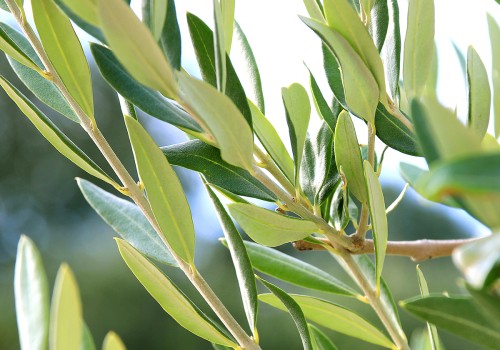
Derived from the leaves of the olive tree (Derived from the leaves of the olive tree (Olea europaea), olive leaf extract has gained significant attention in recent years as a natural remedy with a variety of potential health benefits. This extract has its roots in ancient Mediterranean cultures, where it was traditionally used for its medicinal properties. The olive tree itself is often regarded as a symbol of peace and longevity, and its leaves have been utilized for centuries to promote wellness and vitality. The growing popularity of olive leaf extract can be attributed to its rich composition of bioactive compounds, including oleuropein, which is believed to be responsible for many of its health-promoting effects. As more individuals seek alternatives to conventional medicine, the interest in natural supplements like olive leaf extract continues to rise.
Many people are turning to this extract not only for its potential to support immune function but also for its antioxidant and anti-inflammatory properties. In addition to its historical significance, modern research is beginning to uncover the myriad uses of olive leaf extract. From aiding in the management of blood sugar levels to supporting cardiovascular health, the potential applications are vast. However, as with any supplement, it is crucial to approach its use with an informed perspective. Understanding both the benefits and risks associated with olive leaf extract will empower individuals to make educated decisions about incorporating it into their health regimen. This article aims to delve deeper into the multifaceted world of olive leaf extract, exploring its benefits, potential risks, and practical applications.
By shedding light on this natural remedy, we hope to provide valuable insights that can guide readers in their journey toward better health.
Understanding Olive Leaf Extract
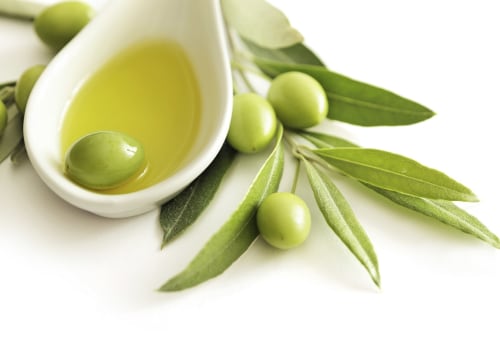
Olive leaf extract is derived from the leaves of the olive tree (Olea europaea), a plant that has been revered for its health benefits for centuries, particularly in Mediterranean cultures. The extraction process typically involves drying the leaves and then using solvents or water to isolate the beneficial compounds. This method ensures that the active ingredients are preserved, allowing for maximum efficacy in health applications. The primary active compound in olive leaf extract is oleuropein , a phenolic compound known for its antioxidant, anti-inflammatory, and antimicrobial properties. Oleuropein is responsible for many of the health benefits attributed to olive leaf extract, including its potential to support cardiovascular health and enhance immune function. In addition to oleuropein, olive leaf extract contains several other important compounds:- Hydroxytyrosol: Another potent antioxidant that works synergistically with oleuropein to combat oxidative stress in the body.
- Flavonoids: These compounds contribute to the anti-inflammatory effects of olive leaf extract and may help improve blood circulation.
- Phenolic acids: These compounds have been shown to possess various health-promoting properties, including anti-cancer effects.
- Vitamins and minerals: Olive leaves also contain essential nutrients such as vitamin C, vitamin E, and various B vitamins that support overall health.
This variability can influence the potency and effectiveness of the extract. Therefore, it is crucial for consumers to choose high-quality products from reputable sources to ensure they receive a supplement that contains a sufficient concentration of these beneficial compounds. Understanding the chemical makeup of olive leaf extract not only highlights its potential health benefits but also underscores the importance of proper usage and dosage. As research continues to uncover more about its properties, olive leaf extract remains a promising natural remedy for various health concerns.
Health Benefits of Olive Leaf Extract
Olive leaf extract has garnered significant attention in recent years for its potential health benefits, particularly in the realms of blood sugar regulation, heart health, and antioxidant properties. This natural supplement, derived from the leaves of the olive tree, is rich in bioactive compounds that contribute to its therapeutic effects.Blood Sugar Regulation
One of the most promising areas of research regarding olive leaf extract is its impact on diabetes management.
Studies have indicated that olive leaf extract may help lower blood sugar levels, making it a potential ally for individuals with type 2 diabetes. For instance, a clinical trial published in the journal Nutrition & Metabolism found that participants who consumed olive leaf extract experienced a significant reduction in fasting blood glucose levels compared to those who received a placebo. This effect is attributed to the presence of oleuropein, a compound known for its ability to enhance insulin sensitivity and improve glucose metabolism.
Heart Health
In addition to its effects on blood sugar, olive leaf extract may also support cardiovascular health. Research suggests that it can help lower blood pressure and improve cholesterol levels.
A study published in the Journal of Nutritional Biochemistry demonstrated that participants who took olive leaf extract showed a decrease in both systolic and diastolic blood pressure. Furthermore, the extract has been shown to reduce LDL (bad) cholesterol while increasing HDL (good) cholesterol, contributing to overall heart health.
Antioxidant Properties
The antioxidant properties of olive leaf extract are another significant benefit. Antioxidants play a crucial role in neutralizing free radicals in the body, which can lead to oxidative stress and chronic diseases. The polyphenols found in olive leaves, particularly oleuropein and hydroxytyrosol, have been shown to exhibit strong antioxidant activity.
A study published in Food Chemistry highlighted that these compounds can protect cells from oxidative damage, potentially reducing the risk of conditions such as cancer and neurodegenerative diseases. In summary, the health benefits of olive leaf extract are supported by a growing body of scientific evidence. Its potential to regulate blood sugar levels, promote heart health, and provide antioxidant protection makes it a valuable addition to a health-conscious lifestyle. However, as with any supplement, it is essential to consult with a healthcare professional before incorporating it into your regimen.
Antioxidant Properties and Immune Support
Olive leaf extract is renowned for its antioxidant properties, which play a crucial role in supporting overall health and well-being. Antioxidants are compounds that help neutralize free radicals—unstable molecules that can cause oxidative stress, leading to cellular damage and various chronic diseases.The primary active component in olive leaf extract, oleuropein, has been extensively studied for its ability to combat oxidative stress. Oxidative stress is linked to numerous health issues, including heart disease, diabetes, and neurodegenerative disorders. By incorporating olive leaf extract into your diet, you may enhance your body's defense against these conditions. Research indicates that the antioxidants in olive leaf extract can help reduce inflammation and improve blood circulation, further contributing to cardiovascular health.
Immune System Benefits
In addition to its antioxidant capabilities, olive leaf extract is believed to bolster the immune system. A robust immune response is essential for protecting the body against infections and diseases.The polyphenols found in olive leaf extract have been shown to enhance the activity of immune cells, such as macrophages and lymphocytes, which play a vital role in identifying and eliminating pathogens. Moreover, studies suggest that olive leaf extract may possess antimicrobial properties, making it effective against various bacteria and viruses. This can be particularly beneficial during cold and flu seasons or when the body is under stress. By supporting immune function and reducing the risk of infections, olive leaf extract can be a valuable addition to your health regimen. To maximize the benefits of olive leaf extract, consider incorporating it into your daily routine through supplements or by using it as an ingredient in cooking. However, it is essential to consult with a healthcare professional before starting any new supplement to ensure it aligns with your individual health needs.
Potential Risks and Side Effects
While olive leaf extract is celebrated for its numerous health benefits, it is crucial to recognize that it may not be suitable for everyone.Understanding the risks and potential side effects associated with this supplement can help individuals make informed decisions about its use.
Allergic Reactions
One of the primary concerns regarding olive leaf extract is the possibility of allergic reactions. Individuals who are allergic to olive tree pollen may experience adverse effects when consuming this extract. Symptoms can range from mild to severe and may include:- Skin rashes or hives
- Itching or swelling, particularly around the face and throat
- Respiratory issues, such as difficulty breathing or wheezing
Interactions with Medications
Olive leaf extract has been shown to possess hypoglycemic properties, which means it can lower blood sugar levels. This effect can be beneficial for individuals managing diabetes; however, it also poses risks when taken alongside diabetes medications.Combining these can lead to dangerously low blood sugar levels, known as hypoglycemia. Therefore, it is essential for those on diabetes medication to consult with a healthcare provider before incorporating olive leaf extract into their regimen. Additionally, olive leaf extract may interact with medications prescribed for high blood pressure. Its natural ability to lower blood pressure could amplify the effects of these medications, leading to hypotension (abnormally low blood pressure). Patients should discuss their current medications with their doctor before starting olive leaf extract.
Pregnancy and Breastfeeding
The safety of olive leaf extract during pregnancy and breastfeeding has not been extensively studied.As a precaution, it is generally recommended that pregnant or nursing women avoid this supplement unless specifically advised by a healthcare professional. The lack of research means that potential risks cannot be fully assessed.
Children and Young Adults
Olive leaf extract is not recommended for children under the age of two due to insufficient research on its safety in this age group. For older children and adolescents, consulting a pediatrician before use is advisable. In summary, while olive leaf extract offers various health benefits, it is essential to consider the potential risks and side effects. Individuals with allergies to olive pollen, those taking specific medications, pregnant or breastfeeding women, and young children should exercise caution and seek professional guidance before using this supplement.Interactions with Medications
When considering the incorporation of olive leaf extract into your health regimen, it is crucial to understand its potential interactions with various medications.While this natural supplement is celebrated for its numerous health benefits, it can also influence the effectiveness and safety of certain pharmaceutical treatments.
Blood Sugar Medications
One of the most significant interactions involves medications used to manage blood sugar levels, particularly for individuals with diabetes. Olive leaf extract has been shown to possess hypoglycemic properties, which means it can lower blood sugar levels. If you are taking medications such as insulin or oral hypoglycemics, combining them with olive leaf extract may lead to excessively low blood sugar (hypoglycemia). Therefore, it is essential to monitor your blood sugar levels closely and consult with a healthcare provider before starting this supplement.
Antihypertensive Drugs
Another area of concern is the interaction between olive leaf extract and antihypertensive medications.
This extract has been found to have a blood pressure-lowering effect, which could enhance the effects of medications prescribed for hypertension. If you are on drugs like ACE inhibitors, beta-blockers, or diuretics, it is advisable to discuss the use of olive leaf extract with your doctor to avoid potential hypotension (low blood pressure).
Anticoagulants and Antiplatelet Drugs
Olive leaf extract may also affect blood clotting. It has mild anticoagulant properties, which could potentially amplify the effects of anticoagulant medications such as warfarin or antiplatelet drugs like aspirin. This interaction could increase the risk of bleeding complications.
If you are taking any of these medications, consult your healthcare provider before adding olive leaf extract to your routine.
Safety Precautions
- Consult Your Healthcare Provider: Always discuss with your doctor before starting any new supplement, especially if you are on prescription medications.
- Start with Low Doses: If approved by your healthcare provider, begin with a lower dose of olive leaf extract to assess how your body reacts.
- Monitor Your Health: Keep track of any changes in your health status, particularly if you notice symptoms like dizziness or unusual fatigue.
- Avoid Self-Medicating: Do not use olive leaf extract as a substitute for prescribed medications without professional guidance.
Consulting Healthcare Professionals
Before incorporating olive leaf extract into your health regimen, it is crucial to consult with a healthcare professional. This step is essential for ensuring that the supplement aligns with your individual health needs and conditions. Here are some key points to consider when discussing olive leaf extract with your doctor:-
Share Your Health History: Provide your doctor with a comprehensive overview of your medical history, including any chronic conditions, allergies, and current medications.
This information will help them assess whether olive leaf extract is a safe option for you.
- Discuss Current Medications: Olive leaf extract may interact with certain medications, particularly those for diabetes and blood pressure. Make sure to inform your healthcare provider about all the medications you are currently taking, including over-the-counter drugs and herbal supplements.
- Ask About Dosage: Inquire about the appropriate dosage of olive leaf extract for your specific health goals. Your doctor can provide guidance on how much to take and how often, based on your individual circumstances.
- Inquire About Potential Side Effects: While olive leaf extract is generally considered safe for most people, it can cause side effects in some cases. Discuss any potential adverse reactions you should be aware of, especially if you have underlying health issues.
-
Monitor Your Progress: If you and your doctor decide that olive leaf extract is suitable for you, schedule follow-up appointments to monitor its effects on your health.
This will allow for adjustments in dosage or discontinuation if necessary.
How to Choose Quality Olive Leaf Extract Products
When it comes to selecting high-quality olive leaf extract products, consumers should be well-informed to ensure they are making the best choice for their health.With the growing popularity of this supplement, the market is flooded with various options, making it essential to know what to look for.
1.Sourcing and Origin
- Check the source of the olive leaves. The best products typically use leaves from organically grown olive trees, preferably from regions known for high-quality olives, such as the Mediterranean.
- Look for brands that provide information about their sourcing practices. Transparency in sourcing indicates a commitment to quality.
2.Extraction Method
- The method used to extract the active compounds from olive leaves can significantly affect the product's potency. Cold-press extraction is often preferred as it preserves the beneficial properties of the leaves.
- Avoid products that use harsh chemicals or solvents in their extraction process, as these can compromise the quality and safety of the extract.
3.Standardization and Potency
- Look for products that are standardized to contain a specific percentage of oleuropein, the primary active compound in olive leaf extract known for its health benefits.
A standardization of 10-20% oleuropein is generally considered effective.
- Check if the product has been tested for potency and purity by third-party laboratories. This ensures that what is on the label matches what is in the bottle.
4.Labeling and Certifications
- Examine the product label carefully. It should clearly list all ingredients, including any fillers or additives. High-quality supplements typically have minimal additional ingredients.
- Look for certifications such as USDA Organic or Non-GMO Project Verified, which can provide additional assurance of quality.
5.Customer Reviews and Brand Reputation
- Research customer reviews and testimonials to gauge user satisfaction and effectiveness.
A reputable brand will have positive feedback from consumers.
- Consider brands that have been in business for several years and have established a good reputation in the health supplement industry.
Conclusion: Weighing the Benefits Against the Risks
In conclusion, the exploration of olive leaf extract benefits reveals a complex interplay between its potential health advantages and the associated risks. As we have discussed, this natural supplement has garnered attention for its promising properties, including its ability to support cardiovascular health, manage blood sugar levels, and provide antioxidant and anti-inflammatory effects. However, it is crucial to approach these benefits with a balanced perspective. While the positive effects of olive leaf extract are supported by various studies, it is essential to recognize that not all individuals may experience these benefits equally.Factors such as existing health conditions, medications, and individual sensitivities can significantly influence how one responds to this supplement. For instance, those with allergies to olive tree pollen should exercise caution, as they may be at risk for allergic reactions when consuming olive leaf extract. Moreover, the potential for interactions with medications—particularly those related to diabetes and blood pressure—highlights the importance of consulting with a healthcare professional before incorporating olive leaf extract into one’s regimen. This step is vital not only for ensuring safety but also for optimizing the therapeutic effects of the supplement. Furthermore, the lack of regulation by the FDA means that consumers must be vigilant in selecting high-quality products from reputable sources. The variability in product quality can impact both safety and efficacy, making informed choices paramount. Ultimately, while olive leaf extract presents a range of potential health benefits, it is imperative to weigh these against the risks.
Individuals considering this supplement should engage in thorough research and seek guidance from healthcare providers to tailor their approach based on personal health needs and circumstances. By doing so, one can harness the potential of olive leaf extract while minimizing any adverse effects.