Clear guidance on olive leaf extract.
The Power of Olive Leaf Extract: Comprehensive Benefits and Risks
Discover the comprehensive benefits and risks of olive leaf extract, a natural remedy with potential health advantages for heart and immune support.
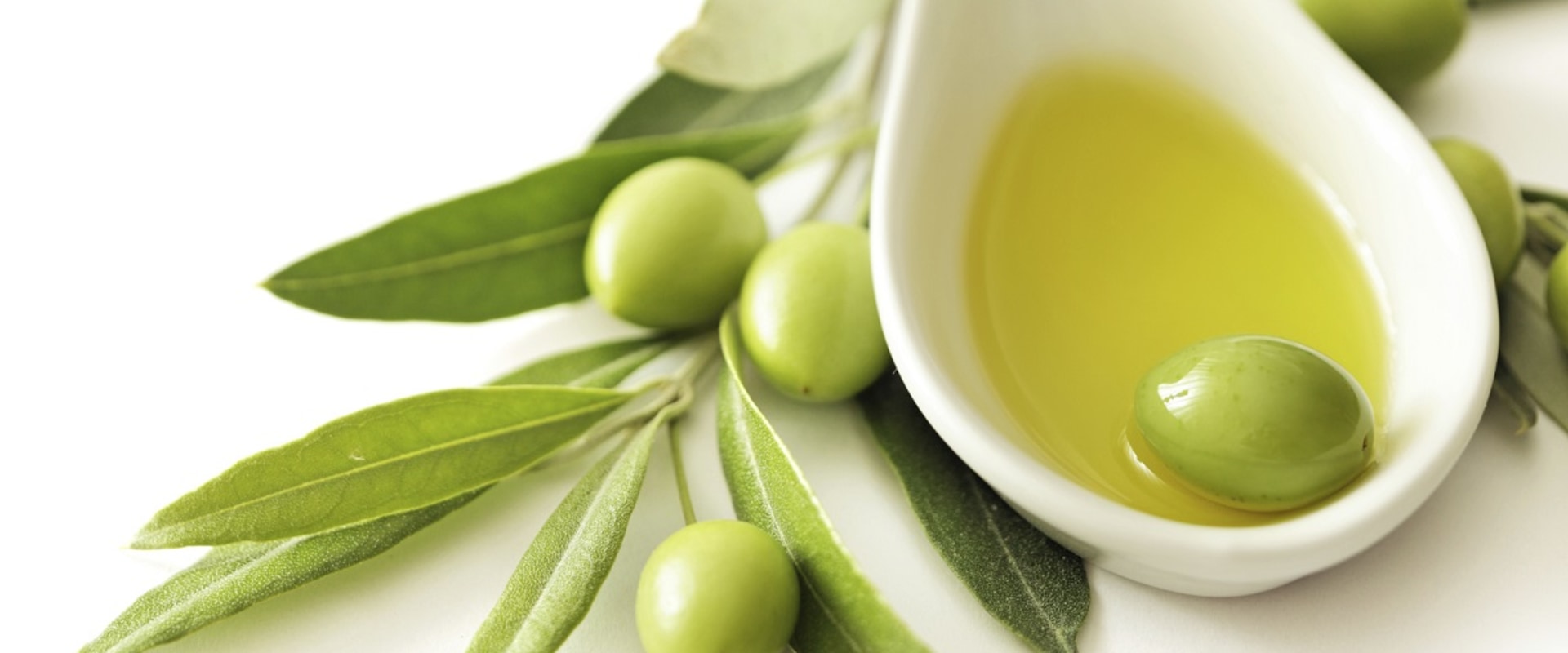
Olive leaf extract, derived from the leaves of the olive tree (Olea europaea), has a rich history that dates back thousands of years. This natural remedy has been utilized in various cultures for its potential health benefits, particularly in Mediterranean regions where the olive tree is native. Ancient civilizations, including the Egyptians and Greeks, recognized the therapeutic properties of olive leaves, using them to treat a variety of ailments. Today, modern science is beginning to validate many of these traditional uses, shedding light on the olive leaf extract benefits that have captivated health enthusiasts and researchers alike. The active compound in olive leaf extract, known as oleuropein, is primarily responsible for its health-promoting effects.
This powerful antioxidant is believed to possess anti-inflammatory, antimicrobial, and antiviral properties. As a result, olive leaf extract has gained popularity as a natural supplement aimed at enhancing overall wellness. From supporting cardiovascular health to potentially aiding in weight management and immune function, the benefits of this extract are diverse and compelling. In addition to its medicinal uses, olive leaf extract has also been celebrated for its role in traditional diets. The Mediterranean diet, which emphasizes whole foods and healthy fats, often includes olives and their derivatives as staples.
This dietary pattern is associated with numerous health benefits, including reduced risk of chronic diseases. As we delve deeper into the benefits of olive leaf extract, it is essential to consider both its historical significance and the scientific evidence that supports its use in contemporary health practices.
Nutritional Profile of Olive Leaf Extract
Olive leaf extract is not only celebrated for its potential health benefits but also for its impressive nutritional profile. This extract is rich in various bioactive compounds that contribute to its therapeutic properties. Understanding these components can help individuals appreciate the significance of incorporating olive leaf extract into their health regimen. One of the most notable active compounds found in olive leaf extract is oleuropein.This polyphenolic compound is primarily responsible for many of the extract's health benefits, including its antioxidant, anti-inflammatory, and antimicrobial properties. Research has shown that oleuropein can help combat oxidative stress by neutralizing free radicals, which are harmful molecules that can lead to chronic diseases. In addition to oleuropein, olive leaf extract contains several other important compounds:
- Hydroxytyrosol: Another powerful antioxidant, hydroxytyrosol is known for its ability to protect cells from damage and may support cardiovascular health by improving blood circulation.
- Tyrosol: This compound has been linked to anti-inflammatory effects and may help reduce the risk of heart disease by lowering blood pressure and cholesterol levels.
- Flavonoids: Olive leaf extract is rich in flavonoids, which are known for their anti-inflammatory and immune-boosting properties. These compounds can enhance overall health by supporting the body’s natural defenses.
- Vitamins and Minerals: Olive leaves also contain essential vitamins such as vitamin C and vitamin E, along with minerals like calcium and magnesium, which are vital for maintaining various bodily functions.
As research continues to explore the full range of benefits associated with olive leaf extract, it becomes increasingly clear that this natural remedy holds significant promise for those seeking to improve their well-being.
Health Benefits of Olive Leaf Extract
Olive leaf extract has garnered attention for its numerous health benefits, particularly in the realms of cardiovascular health, blood sugar regulation, and its anti-inflammatory properties. Derived from the leaves of the olive tree, this extract is rich in bioactive compounds, most notably oleuropein, which is believed to be responsible for many of its therapeutic effects.Cardiovascular Health
One of the most significant benefits of olive leaf extract is its potential to support heart health. Research indicates that it may help lower blood pressure and improve overall cardiovascular function. A study published in the Journal of Nutritional Biochemistry found that participants who consumed olive leaf extract experienced a reduction in systolic blood pressure and improved endothelial function, which is crucial for maintaining healthy blood vessels. Additionally, olive leaf extract may aid in reducing levels of low-density lipoprotein (LDL) cholesterol, often referred to as "bad" cholesterol.
High levels of LDL can lead to plaque buildup in arteries, increasing the risk of heart disease. By promoting a healthier lipid profile, olive leaf extract can contribute to better heart health.
Blood Sugar Regulation
Another area where olive leaf extract shows promise is in the management of blood sugar levels. Preliminary studies suggest that it may enhance insulin sensitivity and improve glucose metabolism. For individuals with type 2 diabetes or those at risk of developing the condition, incorporating olive leaf extract into their regimen could be beneficial.
A review published in Diabetes Research and Clinical Practice highlighted that oleuropein may help regulate blood sugar levels by influencing insulin secretion from pancreatic cells.
This effect can be particularly advantageous for those struggling with insulin resistance.
Anti-Inflammatory Properties
The anti-inflammatory properties of olive leaf extract are another compelling reason to consider its use. Chronic inflammation is linked to various health issues, including heart disease, diabetes, and even certain cancers. The active compounds in olive leaf extract have been shown to inhibit the production of pro-inflammatory cytokines, which are proteins that play a significant role in the inflammatory response.
By reducing inflammation, olive leaf extract may not only help alleviate symptoms associated with chronic conditions but also promote overall health and well-being.
In conclusion, the potential health benefits of olive leaf extract are vast and varied. From supporting cardiovascular health to aiding in blood sugar regulation and combating inflammation, this natural supplement offers a range of advantages that warrant further exploration and consideration for those seeking to enhance their health naturally.
Antioxidant Properties and Immune Support
One of the most compelling aspects of olive leaf extract is its potent antioxidant properties.Antioxidants are crucial for combating oxidative stress, which occurs when there is an imbalance between free radicals and antioxidants in the body. Free radicals can damage cells, proteins, and DNA, contributing to various chronic diseases and aging. Olive leaf extract contains a high concentration of polyphenols, particularly oleuropein, which is known for its strong antioxidant effects. Research has shown that the antioxidant capacity of olive leaf extract can significantly reduce oxidative stress markers in the body. A study published in the Journal of Nutritional Biochemistry found that oleuropein effectively scavenged free radicals and enhanced the body’s natural antioxidant defenses.
This suggests that regular consumption of olive leaf extract may help protect against cellular damage and promote overall health. In addition to its antioxidant effects, olive leaf extract also plays a vital role in supporting the immune system. The immune system is our body’s defense mechanism against infections and diseases, and maintaining its strength is essential for overall health. Studies indicate that olive leaf extract can enhance immune function by modulating various immune responses. For instance, a study published in Phytotherapy Research demonstrated that olive leaf extract could stimulate the production of white blood cells, which are crucial for fighting off infections. Furthermore, the anti-inflammatory properties of oleuropein may help reduce inflammation in the body, allowing the immune system to function more efficiently. Moreover, some research suggests that olive leaf extract may have antiviral properties, potentially offering protection against certain viral infections.
A laboratory study indicated that oleuropein could inhibit the replication of viruses such as influenza and herpes simplex virus. While more research is needed to fully understand these effects, these findings highlight the potential of olive leaf extract as a natural supplement for bolstering immune health. In summary, the antioxidant properties of olive leaf extract not only help combat oxidative stress but also support a robust immune system. Incorporating this powerful extract into your daily routine may provide significant health benefits, making it a valuable addition to any wellness regimen.
Potential Risks and Side Effects
While olive leaf extract is celebrated for its numerous health benefits, it is essential to be aware of the potential risks and side effects associated with its consumption. Understanding these factors can help individuals make informed decisions about incorporating this supplement into their health regimen.Possible Side Effects
Although many people tolerate olive leaf extract well, some may experience side effects.Commonly reported side effects include:
- Gastrointestinal Issues: Some users have reported symptoms such as nausea, diarrhea, or stomach upset. These symptoms are often mild and may subside as the body adjusts to the supplement.
- Allergic Reactions: In rare cases, individuals may experience allergic reactions, which can manifest as skin rashes, itching, or swelling. If any of these symptoms occur, it is crucial to discontinue use and consult a healthcare professional.
- Headaches: Some users have noted headaches after taking olive leaf extract, possibly due to its effects on blood pressure or circulation.
Interactions with Medications
Olive leaf extract may interact with certain medications, which can lead to adverse effects or reduced efficacy of treatments. Individuals taking the following medications should exercise caution:- Blood Pressure Medications: Olive leaf extract has been shown to lower blood pressure.
If you are on antihypertensive medications, combining them with olive leaf extract could lead to excessively low blood pressure.
- Anticoagulants and Antiplatelet Drugs: The extract may have blood-thinning properties, which could enhance the effects of medications like warfarin or aspirin, increasing the risk of bleeding.
- Diabetes Medications: Olive leaf extract may improve insulin sensitivity and lower blood sugar levels. Those taking diabetes medications should monitor their blood sugar closely when using this supplement.
Who Should Avoid Olive Leaf Extract?
Certain individuals should consider avoiding olive leaf extract or consult a healthcare provider before use:- Pregnant or Nursing Women: There is insufficient research on the safety of olive leaf extract during pregnancy and lactation. It is advisable for these individuals to avoid it unless recommended by a healthcare professional.
- Individuals with Allergies: Those with known allergies to olives or related plants should avoid this supplement to prevent allergic reactions.
- People Scheduled for Surgery: Due to its potential blood-thinning effects, it is recommended to stop taking olive leaf extract at least two weeks before any surgical procedure.
Dosage Recommendations and Usage Guidelines
When considering the incorporation of olive leaf extract into your health regimen, understanding the appropriate dosage and usage guidelines is essential for maximizing its benefits while minimizing potential risks.While there is no universally established daily intake for olive leaf extract, various studies and expert recommendations can provide a framework for safe and effective use.
Recommended Dosage
- The typical dosage of olive leaf extract ranges from 500 mg to 1000 mg per day, divided into two or three doses. This range is often suggested based on the concentration of oleuropein, the active compound in the extract.
- For those new to olive leaf extract, starting with a lower dose of around 250 mg per day can help assess tolerance before gradually increasing to higher amounts.
- It is advisable to consult with a healthcare professional before beginning any new supplement, especially if you are pregnant, nursing, or have existing health conditions.
How to Take Olive Leaf Extract
- Capsules or Tablets: These are the most common forms and are convenient for daily use. Follow the manufacturer’s instructions regarding dosage.
- Liquid Extract: This form may offer faster absorption. It can be taken directly or mixed with water or juice.
Again, adhere to the recommended dosage on the label.
- Tinctures: Similar to liquid extracts, tinctures can be added to beverages or taken sublingually for quicker effects.
Best Practices for Using Olive Leaf Extract
- Consistency: For optimal results, incorporate olive leaf extract into your daily routine consistently. This helps maintain stable levels of the active compounds in your system.
- Timing: Taking olive leaf extract with meals may enhance absorption and reduce any potential gastrointestinal discomfort.
- Monitor Your Body’s Response: Pay attention to how your body reacts after starting olive leaf extract. If you experience any adverse effects, such as digestive upset or allergic reactions, discontinue use and consult a healthcare provider.
- Avoid Interactions: Be cautious if you are taking medications for blood pressure or diabetes, as olive leaf extract may interact with these treatments. Always discuss with your doctor before combining supplements with prescription medications.
Research and Studies on Olive Leaf Extract
Recent research into olive leaf extract has unveiled a variety of potential health benefits, supported by both animal studies and clinical trials.One of the most notable components of olive leaf extract is oleuropein , which has been the focus of numerous studies due to its promising effects on health. In a study published in the Journal of Medicinal Food, researchers found that olive leaf extract significantly reduced blood pressure in individuals with prehypertension. The participants who consumed the extract experienced a notable decrease in systolic and diastolic blood pressure after just eight weeks. This suggests that olive leaf extract may be a natural alternative for managing blood pressure levels. Another area of interest is the extract's impact on metabolic health. A clinical trial conducted on individuals with type 2 diabetes indicated that those who supplemented with olive leaf extract showed improved insulin sensitivity and lower blood glucose levels compared to a placebo group.
This finding highlights the potential role of olive leaf extract in diabetes management. Furthermore, research has explored the antiviral properties of olive leaf extract. A laboratory study demonstrated that oleuropein exhibited activity against various viruses, including those responsible for respiratory infections. This suggests that olive leaf extract could play a role in enhancing immune function and providing protection against viral pathogens. In terms of inflammation, a systematic review analyzed multiple studies and concluded that olive leaf extract may help reduce inflammatory markers in the body. Participants who consumed the extract showed lower levels of C-reactive protein (CRP), a key indicator of inflammation, which is linked to chronic diseases such as heart disease and arthritis. Despite these promising findings, it is essential to note that more extensive clinical trials are needed to fully understand the breadth of benefits offered by olive leaf extract.
Variability in product quality and dosage also poses challenges for consumers seeking to incorporate this supplement into their health regimen. In summary, while current research supports several olive leaf extract benefits, including blood pressure reduction, improved metabolic health, antiviral properties, and anti-inflammatory effects, further studies are necessary to establish standardized dosages and confirm these findings across diverse populations.
Frequently Asked Questions (FAQs)
As interest in olive leaf extract continues to grow, many individuals have questions regarding its safety, efficacy, and compatibility with other medications. Below are some of the most frequently asked questions about this natural supplement.Is Olive Leaf Extract Safe?
Generally, olive leaf extract is considered safe for most people when taken in appropriate doses. However, as with any supplement, there are potential side effects. Some individuals may experience mild gastrointestinal issues such as nausea, diarrhea, or stomach cramps.Additionally, allergic reactions are possible, particularly for those who are sensitive to olives or related plants. It is crucial to consult with a healthcare professional before starting any new supplement regimen, especially for pregnant or breastfeeding women, children, or individuals with pre-existing health conditions. This ensures that olive leaf extract is suitable for your specific health needs.
Can You Take Olive Leaf Extract with Other Medications?
When considering the use of olive leaf extract alongside other medications, it is essential to proceed with caution. Olive leaf extract may interact with certain medications, particularly:- Blood Pressure Medications: Olive leaf extract has been shown to lower blood pressure. If you are taking antihypertensive medications, combining them with olive leaf extract could lead to excessively low blood pressure.
- Blood Thinners: The extract may have anticoagulant properties, which could enhance the effects of blood-thinning medications like warfarin and increase the risk of bleeding.
- Diabetes Medications: Olive leaf extract may improve insulin sensitivity and lower blood sugar levels.
If you are on diabetes medication, monitoring your blood sugar levels closely is advisable.
Conclusion: Weighing the Benefits Against the Risks
In summary, the exploration of olive leaf extract benefits reveals a wealth of potential advantages that can contribute to overall health and wellness. From its anti-inflammatory properties to its ability to support heart health and potentially aid in managing blood sugar levels, olive leaf extract stands out as a promising natural supplement. The active compound, oleuropein, has garnered attention for its antioxidant and antiviral properties, suggesting that it may play a role in combating various health issues, including viral infections. However, it is equally important to consider the risks associated with olive leaf extract. The lack of regulation in the supplement industry means that not all products are created equal; variations in quality and potency can significantly impact their effectiveness.Additionally, individuals taking medications for conditions such as hypertension or diabetes should exercise caution and consult healthcare professionals before incorporating olive leaf extract into their regimen. Furthermore, while preliminary studies indicate promising results regarding the extract's benefits, more extensive research is necessary to fully understand its effects and establish standardized dosages. This is particularly crucial for those with pre-existing health conditions or those who are pregnant or breastfeeding. Ultimately, the decision to use olive leaf extract should be made with careful consideration of both its potential benefits and risks. Engaging in open discussions with healthcare providers can help individuals make informed choices tailored to their unique health needs. As with any supplement, moderation and awareness are key to harnessing the full potential of olive leaf extract while minimizing any adverse effects.