Clear guidance on olive leaf extract.
The Truth About Olive Leaf Extract: Understanding Its Benefits and Risks
Discover the health benefits and risks of olive leaf extract. Learn about its uses, potential side effects, and safe dosage recommendations.

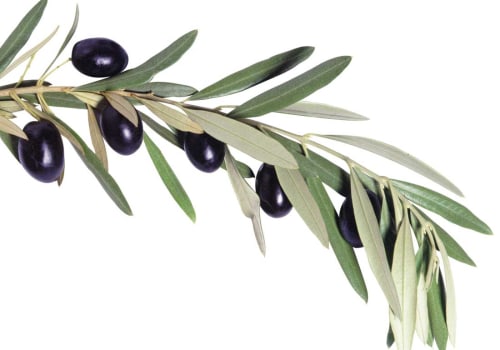
Derived from the leaves of the olive tree (Olea europaea), olive leaf extract has been utilized for centuries in traditional medicine, particularly in Mediterranean cultures. This natural supplement is gaining traction in modern wellness circles, celebrated for its potential health benefits and versatility. As more individuals seek alternatives to conventional pharmaceuticals, the interest in olive leaf extract continues to grow, prompting many to explore its properties and applications. The active compound in olive leaf extract, known as oleuropein, is primarily responsible for its numerous health-promoting effects. Research suggests that this powerful antioxidant may help combat oxidative stress, reduce inflammation, and support cardiovascular health.
Additionally, the extract is believed to possess antimicrobial properties, making it a potential ally in fighting infections. With such a wide array of purported benefits, it’s no wonder that olive leaf extract has become a popular choice among those looking to enhance their overall well-being. However, as with any supplement, it is essential to approach olive leaf extract with a balanced perspective. While many users report positive outcomes, understanding the full scope of its effects—both beneficial and potentially adverse—is crucial. This article aims to delve deeper into the benefits of olive leaf extractbenefits of olive leaf extract, explore its safety profile, and address common concerns regarding dosage and possible side effects.
By equipping yourself with knowledge about this remarkable extract, you can make informed decisions about incorporating it into your health regimen.
What is Olive Leaf Extract?
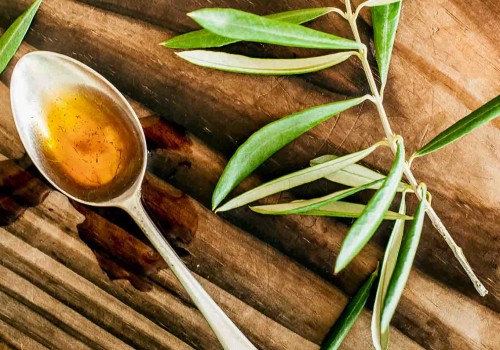
Olive leaf extract is a natural supplement derived from the leaves of the olive tree (Olea europaea), a plant that has been cultivated for thousands of years, primarily in Mediterranean regions. The extract is celebrated for its potential health benefits, which are largely attributed to its rich composition of bioactive compounds. The process of making olive leaf extract involves several steps. Initially, fresh olive leaves are harvested from the tree. These leaves are then dried and processed to extract their beneficial components.The extraction can be done using various methods, including water extraction, alcohol extraction, or cold pressing. Each method has its advantages and can influence the potency and flavor of the final product. Cold pressing, for instance, is often preferred as it preserves more of the natural compounds found in the leaves. One of the key components of olive leaf extract is oleuropein, a phenolic compound that is primarily responsible for many of its health-promoting properties. Oleuropein is known for its strong antioxidant effects, which help combat oxidative stress in the body.
This compound not only contributes to the extract's potential anti-inflammatory properties but also plays a role in supporting cardiovascular health by promoting healthy blood circulation. In addition to oleuropein, olive leaf extract contains other important compounds such as:
- Hydroxytyrosol: Another potent antioxidant that may help protect cells from damage.
- Flavonoids: These compounds have anti-inflammatory and immune-boosting properties.
- Vitamin E: An essential nutrient that supports skin health and acts as an antioxidant.
- Phenolic acids: These contribute to the overall antioxidant capacity of the extract.
Health Benefits of Olive Leaf Extract
Olive leaf extract, derived from the leaves of the olive tree, has garnered significant attention for its numerous health benefits. Rich in antioxidants, particularly oleuropein, this natural supplement offers a variety of advantages that can enhance overall well-being.1.Antioxidant Properties
One of the most notable benefits of olive leaf extract is its potent antioxidant properties. Antioxidants are crucial for combating oxidative stress in the body, which can lead to chronic diseases such as heart disease and cancer.
The oleuropein in olive leaf extract helps neutralize free radicals, thereby protecting cells from damage and promoting longevity.
2.Heart Health
Research suggests that olive leaf extract may play a vital role in supporting heart health. It has been shown to help lower blood pressure and improve cholesterol levels by reducing LDL (bad cholesterol) while increasing HDL (good cholesterol). These effects can contribute to a lower risk of cardiovascular diseases, making it a valuable addition to a heart-healthy lifestyle.
3.Weight Management
For those looking to manage their weight, olive leaf extract may offer some assistance. Studies indicate that it can help regulate metabolism and reduce fat accumulation.
By enhancing insulin sensitivity, it may also aid in controlling appetite and reducing cravings, making it easier to maintain a healthy weight.
4.Immune Support
The immune-boosting properties of olive leaf extract are another reason for its popularity. Its antimicrobial effects can help the body fend off infections and illnesses. Additionally, the anti-inflammatory properties of oleuropein may assist in reducing inflammation throughout the body, further supporting immune function.
5.Potential Anti-Cancer Effects
Emerging research has begun to explore the potential anti-cancer effects of olive leaf extract. Some studies suggest that oleuropein may inhibit the growth of cancer cells and induce apoptosis (programmed cell death) in certain types of cancer.
While more research is needed in this area, these findings are promising and warrant further investigation. In summary, the health benefits of olive leaf extract are extensive and varied, ranging from antioxidant protection to heart health support and immune enhancement. Incorporating this supplement into your daily routine could provide significant advantages for your overall health.
Antioxidant Properties of Olive Leaf Extract
One of the most compelling aspects of olive leaf extract is its rich antioxidant properties, primarily attributed to a compound known as oleuropein. This natural phenolic compound is not only responsible for the extract's distinct flavor but also plays a crucial role in promoting health and preventing disease.How Does Olive Leaf Extract Work?
When consumed, oleuropein exhibits its antioxidant effects by neutralizing free radicals—unstable molecules that can cause oxidative stress in the body. Oxidative stress is linked to various chronic diseases, including heart disease, diabetes, and cancer.
By combating these free radicals, olive leaf extract helps to protect cells from damage and supports overall cellular health. The mechanism through which oleuropein operates involves several pathways:
- Scavenging Free Radicals: Oleuropein directly interacts with free radicals, effectively neutralizing them before they can inflict harm on cellular structures.
- Enhancing Antioxidant Enzymes: Research indicates that oleuropein may boost the activity of the body's own antioxidant enzymes, such as superoxide dismutase (SOD) and catalase. These enzymes play a vital role in detoxifying harmful substances and reducing oxidative stress.
- Reducing Inflammation: Chronic inflammation is often a precursor to many diseases. Oleuropein has been shown to possess anti-inflammatory properties, which can further mitigate oxidative damage and promote healing.
Oleuropein Benefits
The benefits of oleuropein extend beyond just antioxidant activity. Studies have suggested that it may help:
- Support Heart Health: By reducing oxidative stress and inflammation, oleuropein contributes to improved cardiovascular function and may lower the risk of heart disease.
- Enhance Immune Function: The antioxidant properties of olive leaf extract can bolster the immune system, helping the body fend off infections and illnesses more effectively.
- Protect Against Neurodegenerative Diseases: Some research indicates that oleuropein may have neuroprotective effects, potentially lowering the risk of conditions like Alzheimer's and Parkinson's disease by reducing oxidative damage in brain cells.
By neutralizing free radicals and enhancing the body's natural defenses, this powerful extract serves as a valuable ally in promoting long-term health and preventing chronic diseases.
Can You Take Too Much Olive Leaf Extract?
When considering the use of olive leaf extract, many individuals wonder about the appropriate dosage and whether it is possible to take too much. Understanding the recommended dosages and potential side effects is crucial for safe consumption. Currently, there is no established official daily recommended intake for olive leaf extract. However, most supplements on the market suggest a dosage ranging from 500 mg to 1000 mg per day. It is essential to follow the guidelines provided on the product label, as different brands may have varying concentrations of active ingredients. While there have been no documented cases of overdose specifically related to olive leaf extract, taking excessive amounts can lead to unwanted side effects.Some individuals may experience:
- Gastrointestinal issues: This can include symptoms such as stomach cramps, diarrhea, or nausea.
- Headaches: Some users report experiencing headaches when taking higher doses.
- Dizziness or vertigo: These symptoms may occur in sensitive individuals.
- Allergic reactions: Although rare, some people may be allergic to olive leaf extract, leading to skin rashes or respiratory issues.
This precaution ensures that any potential interactions or side effects are adequately addressed. In summary, while olive leaf extract offers numerous health benefits, adhering to recommended dosages is vital for safety. By doing so, individuals can enjoy its advantages without risking adverse effects.
Potential Side Effects and Allergies
While olive leaf extract is celebrated for its numerous health benefits, it is essential to be aware of potential side effects and allergic reactions that some individuals may experience. Understanding these risks can help users make informed decisions about incorporating this supplement into their health regimen.Common Side Effects
- Gastrointestinal Issues: Some users report experiencing stomach discomfort, including nausea, diarrhea, or abdominal cramps. These symptoms are often mild and may subside as the body adjusts to the supplement.
-
Headaches: A few individuals have noted headaches after taking olive leaf extract.
This could be due to the body’s reaction to the active compounds or dehydration.
- Dizziness: In rare cases, dizziness or lightheadedness has been reported, particularly when taken in high doses.
- Fatigue: Some users may feel unusually tired or fatigued after starting the supplement, which could be a sign of the body detoxifying.
Allergic Reactions
Allergies to olive leaf extract are relatively uncommon but can occur, especially in individuals who are sensitive to olive pollen. Symptoms of an allergic reaction may include:
- Skin Reactions: Rashes, hives, or itching may develop in response to the extract.
- Respiratory Issues: Allergic reactions can also manifest as difficulty breathing, wheezing, or nasal congestion.
Who Should Avoid Olive Leaf Extract?
Certain individuals should exercise caution or avoid olive leaf extract altogether:
- Pregnant and Nursing Women: Due to limited research on its safety during pregnancy and lactation, it is advisable for these individuals to avoid this supplement.
- Individuals with Allergies: Those with known allergies to olives or related plants should refrain from using olive leaf extract.
- People on Blood Thinners: Olive leaf extract may interact with anticoagulant medications, increasing the risk of bleeding. Always consult a healthcare provider before use.
- Diabetics: While some studies suggest benefits for blood sugar control, those on diabetes medications should monitor their blood sugar levels closely when taking this supplement.
Interactions with Medications
As the popularity of olive leaf extract continues to rise, it is crucial to understand how this natural supplement may interact with various medications.While olive leaf extract is generally considered safe for most individuals, its potential interactions with certain prescription drugs warrant careful consideration. One of the primary components of olive leaf extract, oleuropein, has been shown to possess various health benefits, including antioxidant and anti-inflammatory properties. However, these same properties can influence how other medications work in the body. Here are some key interactions to be aware of:
-
Blood Pressure Medications: Olive leaf extract may have a mild hypotensive effect, which means it can lower blood pressure. If you are taking medications for hypertension, combining them with olive leaf extract could lead to excessively low blood pressure.
It is essential to monitor your blood pressure regularly and consult your healthcare provider before starting this supplement.
- Anticoagulants and Antiplatelet Drugs: Olive leaf extract may enhance the effects of blood thinners such as warfarin or aspirin. This could increase the risk of bleeding complications. If you are on any anticoagulant therapy, discuss the use of olive leaf extract with your doctor to ensure it is safe for you.
-
Diabetes Medications: For individuals managing diabetes, olive leaf extract may help improve insulin sensitivity and lower blood sugar levels. However, if you are already taking medications that lower blood sugar, there is a risk of hypoglycemia (low blood sugar).
Regular monitoring and consultation with a healthcare professional are advised.
- Immunosuppressants: If you are on medications that suppress the immune system, such as those prescribed after organ transplants or for autoimmune diseases, be cautious with olive leaf extract. Its immune-boosting properties could counteract the effects of these medications.
By working closely with your healthcare provider, you can make informed decisions about incorporating this supplement into your health routine.
How to Take Olive Leaf Extract Safely
When considering the incorporation of olive leaf extract into your health regimen, understanding the various forms available and the best practices for consumption is essential. This supplement can be found in several formats, each offering unique benefits and methods of use.- Capsules: One of the most popular forms, olive leaf extract capsules provide a convenient way to consume the supplement. They are easy to swallow and allow for precise dosing. When choosing capsules, look for products that specify the amount of oleuropein, the active compound known for its health benefits.
-
Teas: Olive leaf tea is another excellent option for those who prefer a more traditional approach.
Brewing tea from dried olive leaves can provide a soothing experience while delivering the benefits of the extract. To prepare, steep 1-2 teaspoons of dried leaves in hot water for about 10 minutes. This method not only offers hydration but also allows for the enjoyment of the natural flavors.
-
Tinctures: Olive leaf tinctures are concentrated liquid extracts that can be taken directly or added to beverages. They are typically more potent than capsules or teas, so it’s crucial to follow dosage recommendations carefully.
Tinctures can be an effective way to quickly absorb the beneficial compounds.
- Start with a low dose: If you are new to olive leaf extract, begin with a lower dosage to assess your body’s response. Gradually increase as needed while monitoring any side effects.
- Consult a healthcare professional: Before starting any new supplement, especially if you have existing health conditions or are taking medications, consult with your doctor. This is particularly important for individuals on blood pressure medications or blood thinners.
- Follow product guidelines: Always adhere to the recommended dosage provided on the product label. Since there is no established daily intake for olive leaf extract, sticking to manufacturer guidelines is crucial.
-
Avoid excessive consumption: While olive leaf extract is generally considered safe, consuming it in excessive amounts may lead to unwanted side effects such as digestive discomfort or headaches.
Moderation is key.
Frequently Asked Questions about Olive Leaf Extract
As the popularity of olive leaf extract continues to grow, so do the questions surrounding its use, benefits, and potential side effects. Below are some of the most frequently asked questions that can help clarify common misconceptions and provide valuable insights into this natural supplement.What is olive leaf extract?
Olive leaf extract is derived from the leaves of the olive tree (Olea europaea). It contains a variety of bioactive compounds, with oleuropein being the most notable for its health benefits. This extract has been used for centuries in traditional medicine, particularly in Mediterranean cultures.What are the main benefits of olive leaf extract?
- Antioxidant properties: Olive leaf extract is rich in antioxidants, which help combat oxidative stress and may reduce the risk of chronic diseases.
- Heart health: Some studies suggest that it can lower blood pressure and improve cholesterol levels, contributing to overall cardiovascular health.
- Weight management: Research indicates that it may aid in weight loss by improving insulin sensitivity and reducing fat accumulation.
- Antimicrobial effects: Olive leaf extract has shown potential in fighting various pathogens, including bacteria and viruses.
Can you take too much olive leaf extract?
While there are no documented cases of overdose, it is essential to adhere to the recommended dosage on product labels.Excessive consumption may lead to increased oxidative stress or gastrointestinal discomfort. Always consult with a healthcare professional before starting any new supplement regimen.
Are there any side effects associated with olive leaf extract?
Some individuals may experience mild side effects such as headaches, stomach upset, or dizziness. Allergic reactions are also possible, particularly for those sensitive to olive pollen. If you experience any adverse effects, discontinue use and consult a healthcare provider.Is olive leaf extract safe for everyone?
While generally considered safe for most people, those with specific health conditions or who are taking medications (especially blood thinners or diabetes medications) should consult their doctor before using olive leaf extract.Pregnant or breastfeeding women should also seek medical advice prior to use. This section aims to address common queries and dispel myths about olive leaf extract, ensuring that readers have a well-rounded understanding of this beneficial supplement.
Conclusion: The Balance of Benefits and Risks
In summary, olive leaf extract presents a fascinating array of potential health benefits, making it a popular choice among those seeking natural remedies. The active compound, oleuropein, is credited with various positive effects, including antioxidant properties that may help combat chronic diseases such as heart disease and cancer. Additionally, research suggests that olive leaf extract can aid in weight management by improving insulin sensitivity and reducing food intake, which is particularly beneficial for individuals at risk of type 2 diabetes. However, while the benefits are compelling, it is crucial to approach the use of olive leaf extract with caution. As highlighted throughout this article, there are potential side effects and interactions with certain medications that users should be aware of.For instance, individuals taking blood pressure medications or blood thinners should consult their healthcare provider before incorporating this supplement into their routine. Furthermore, some people may experience allergic reactions or gastrointestinal discomfort when consuming olive leaf extract. Given the lack of established daily intake recommendations for olive leaf extract, it is essential to adhere to the dosage guidelines provided on product labels. Overconsumption could lead to increased oxidative stress in the body, which may negate some of the health benefits associated with this supplement. Ultimately, the key to harnessing the benefits of olive leaf extract lies in informed usage. By understanding both its advantages and potential risks, individuals can make educated decisions about incorporating this supplement into their health regimen.
Consulting with a healthcare professional can provide personalized guidance tailored to individual health needs and conditions. In conclusion, while olive leaf extract offers promising health benefits, it is vital to maintain a balanced perspective on its use. With careful consideration and proper dosage, this natural supplement can be a valuable addition to a holistic approach to health and wellness.